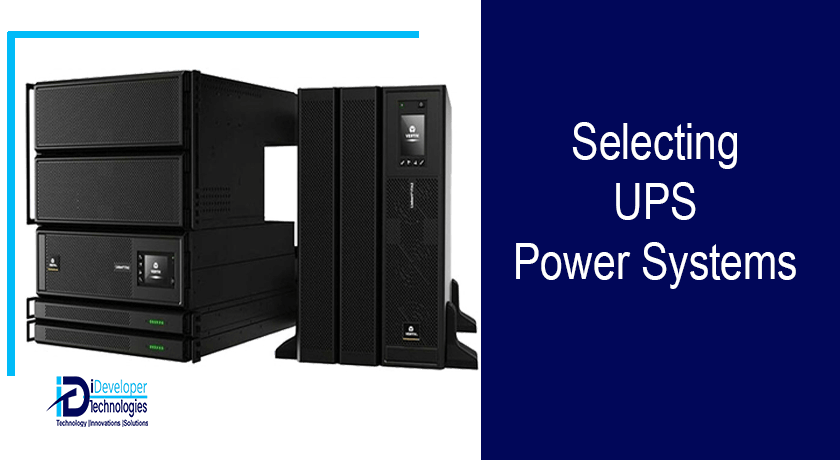
Power interruptions are among the top causes of IT downtime, equipment failure, and data corruption…

How To Conduct A Server Room Audit For Maximum Efficiency
A server room is the nerve center of modern business operations in Kenya, as result, server room audit in Kenya for our business in critical. Server rooms, houses the equipment responsible for data processing, communication, and storage, and its performance directly influences the stability of the entire organization. However, server rooms often evolve quickly.
New devices get added, patches of old cabling remain, environmental conditions change, and hardware may become outdated without anyone noticing.
Over time, these subtle shifts can degrade efficiency, increase energy consumption, and raise the risk of failure. Conducting a thorough server room audit in Kenya, is the most effective way to understand the true condition of your environment and identify opportunities for improvement.
A well-executed server room inspection, provides insights into the room’s physical layout, equipment health, environmental conditions, security effectiveness, and operational workflows.
Instead of treating the audit like a checklist to be rushed through, it should be seen as a strategic, introspective review of the server room’s overall performance.
This comprehensive guide walks through the key components of a successful server room audit in Kenya. We shall be explaining why each area matters and how deeper server room inspection leads to maximum efficiency.
Purpose of a Server Room Audit in Kenya
An audit is far more than a simple inspection of hardware or a quick round of cleaning. It is an in-depth analysis that helps uncover inefficiencies, identify risks, and validate that the server room meets both operational needs and industry best practices.
The goal is to create a clear, accurate snapshot of the environment as it exists today, which then forms the basis for improvement planning and long-term optimization.
Top server room audit in Kenya, can reveal many things that are not immediately obvious during day-to-day operations. For example, it may expose airflow blockages that slowly cause equipment to run hotter than expected, or reveal oversaturated power circuits on the brink of overload.
Additionally, it might uncover outdated firmware, forgotten devices still consuming power, or security gaps that could allow unauthorized access.
By identifying these issues early, organizations can prevent downtime, reduce energy costs, and improve the overall resilience of their IT infrastructure.
Evaluating Physical Organization and Room Layout
The first stage of a server room audit in Kenya, begins with examining the physical layout. The arrangement of racks, equipment placement, and walking pathways all influence efficiency and safety.
A poorly organized room forces technicians to work around clutter, increases the risk of accidental disconnection, and disrupts airflow patterns that are essential for Server room cooling.
During the server room inspection, every rack should be inspected to understand how equipment is distributed. Servers and network devices should be arranged in a way that balances weight, heat output, and accessibility.
Over time, many server rooms accumulate unused equipment that quietly drains power and complicates layout planning. Identifying and removing obsolete gear not only improves organization but also reduces overall load on cooling and power systems.
Pathways around racks should be clear and wide enough for technicians to maneuver equipment safely. A clutter-free layout makes maintenance easier, reduces the chance of accidents, and ensures emergency personnel can access the room quickly if needed.
The audit should also review the overall rack alignment and aisle configuration, confirming that hot and cold aisles are properly maintained and consistent throughout the room.
Assessing Environmental Conditions for Stable Operation
Environmental conditions play a critical role in server room efficiency. When carrying out server room audit in Kenya, attention should be given to temperature, humidity, airflow, and any unusual hotspots that indicate cooling problems. Even minor deviations in environmental levels can significantly increase energy consumption or weaken the reliability of equipment.
Temperature sensors should be checked to ensure they provide accurate readings. A proper audit will involve comparing displayed values with external temperature probes or calibrated tools.
Hotspots areas where equipment consistently runs warmer—often point to improper airflow, blocked vents, or equipment installed in an unbalanced manner.
Identifying and addressing these areas improves cooling efficiency and extends hardware lifespan.
Humidity also needs to be measured. Excessive moisture can cause corrosion or condensation, while dry air increases the risk of static electricity. Ensuring that humidity stays within recommended levels promotes a stable operating environment.
Airflow analysis is another essential part of the audit. The placement of blanking panels, cable arrangements, and rack density all influence airflow patterns. The goal is to confirm that cold air enters equipment intakes effectively and hot air is properly isolated in return paths. Good airflow management reduces cooling demand, lowers energy costs, and prevents thermal stress on servers.
Reviewing Power Distribution, UPS Capacity, and Redundancy
Power is the backbone of the server room, and any server room audit in Kenya, must include a careful examination of electrical infrastructure. This includes UPS systems, power distribution units (PDUs), circuit loads, grounding, and redundancy strategies.
The server room inspection, should begin by checking that UPS units are sized appropriately for the connected load. Many server rooms run on outdated or undersized UPS systems that can only provide minimal runtime during an outage.
Evaluating battery health, reviewing the age of components, and testing runtime helps determine whether upgrades or replacements are needed.
A detailed review of how power is distributed between circuits ensures that no single PDU or breaker is overloaded. Balance is essential—an unbalanced load can trigger unnecessary shutdowns or create fire hazards.
Redundancy is another crucial part of the power audit. Systems designed with N+1 or 2N configurations must be tested to confirm they actually perform as expected.
This includes reviewing bypass paths, verifying failover capabilities, and confirming that redundant UPS units or PDUs are functional rather than idle.
By fully evaluating power systems, organizations can significantly reduce the risk of outages and create a more predictable operating environment.
Inspecting Cable Management for Efficiency and Safety
Cable management often receives little attention in daily operations, but during an server room audit in Kenya, it becomes a focal point. Disorganized cables can restrict airflow, create tripping hazards, and make troubleshooting far more complicated than it needs to be.
An effective server room inspection, involves following cable paths from end to end to understand how they are routed.
Cables should be neatly bundled, supported by trays or cable managers, and clearly labeled. Labels play an essential role in both problem-solving and equipment changes. When devices fail or wiring needs modification, clear labeling saves valuable time and reduces the chance of disconnecting the wrong component.
Excess cable slack should be addressed, as loops and tangles can block air vents or create unnecessary clutter. Likewise, damaged or frayed cables discovered during the audit should be replaced immediately to avoid connectivity issues, electrical risk, or intermittent failures that are difficult to diagnose.
Improving cable management not only enhances technical efficiency but also contributes to a safer, cleaner, and more professional environment.
Auditing Hardware Health and Equipment Status
A core part of the server room audit in Kenya, revolves around evaluating the health of hardware. This includes servers, storage systems, switches, firewalls, and backup devices. Instead of simply confirming that equipment is online, auditors should review logs, firmware versions, error indicators, and overall performance trends.
Hardware that has outdated firmware or is nearing end-of-life should be flagged for replacement or upgrade. Fans that produce unusual noise, drives showing early failure warnings, or power supplies with inconsistent output are signs that maintenance or replacement is needed.
During this stage, the server room audit in Kenya, should also identify equipment that is no longer required. Removing unused or obsolete devices reduces energy consumption, simplifies management, and frees up rack space for future growth.
The more thoroughly hardware conditions are evaluated, the more reliable the server room becomes in the long term.
Evaluating Physical and Operational Security
Security is an essential part of every server room audit in Kenya. Even the most advanced equipment becomes vulnerable if physical access is not controlled properly.
The server room inspection, must include a detailed examination of access control systems, door mechanisms, surveillance cameras, and log retention policies.
Access logs should be reviewed to confirm that only authorized individuals have entered the room and that all entries correspond with legitimate activities.
Surveillance cameras should be tested for clarity, coverage, and recording functionality. Door locks, biometric scanners, and badge readers must be verified to ensure they respond consistently.
Operational security procedures also need reevaluation. This includes confirming that visitors are logged, escorted, and granted temporary access only when necessary. All of these security components work together to safeguard the room and the valuable data stored inside.
Reviewing Documentation, Policies, and Compliance Requirements
A server room audit in Kenya, is not complete without reviewing documentation. Accurate records are essential for day-to-day operation, troubleshooting, and compliance.
This includes rack diagrams, device inventories, cabling maps, IP address lists, maintenance logs, and access control policies.
Outdated documentation can lead to miscommunication, inefficient troubleshooting, and risky assumptions. Ensuring that documents reflect current reality gives IT teams a strong foundation for future work.
If the organization is subject to compliance standards such as ISO 27001, HIPAA, or PCI-DSS, the audit should also verify adherence to relevant controls. This may include environmental monitoring requirements, security log retention, and access policy enforcement.
Identifying Opportunities for Optimization and Cost Reduction
After reviewing all components of the server room, the final stage of the audit involves analyzing findings and identifying improvement opportunities. This may include reorganizing equipment to enhance airflow, upgrading to more efficient cooling systems, improving power redundancy, tightening security protocols, or replacing aging hardware.
The goal is to create a clear, actionable plan that enhances efficiency, reduces costs, and increases reliability. Even minor improvements—such as rebalancing power loads or installing blanking panels—can result in significant long-term benefits.
Conclusion
Conducting a server room audit is more than a technical exercise; it is a strategic process that strengthens the performance, security, and efficiency of the entire IT ecosystem. By examining layout, environmental conditions, power systems, cabling, hardware, security, and documentation, organizations gain a complete understanding of their server room’s strengths and weaknesses. Regular audits create a proactive environment where issues are addressed before they become problems, ensuring stable operation and long-term success.

Related Posts